
The global economy is more dynamic—and unpredictable—than ever before. From the rise of digital currencies and artificial intelligence to ongoing shifts in energy markets and international relations, the financial landscape is constantly evolving. With headlines about cryptocurrency, global trade tensions, and the future of oil dominating the news, understanding how the world’s money really moves is essential. The petrodollar system remains a cornerstone of international finance, but its future is being questioned as new technologies and alliances emerge. If you want to create certainty and opportunity in uncertain times, learning how the petrodollar works—and how it might change—gives you a powerful edge. Are you ready to take control of your financial destiny?
From cryptocurrency to Brexit to the Robinhood GameStop stock scandal, the global economy is a hot topic. It’s no surprise that in the face of economic uncertainty, many people are interested in learning about how the global economy actually works – and how they can make it work for them. Learning about the petrodollar system is an essential step to improving your understanding.
Uncover your hidden patterns and stories keeping you from building true financial freedom
Take quizWhat is the petrodollar?
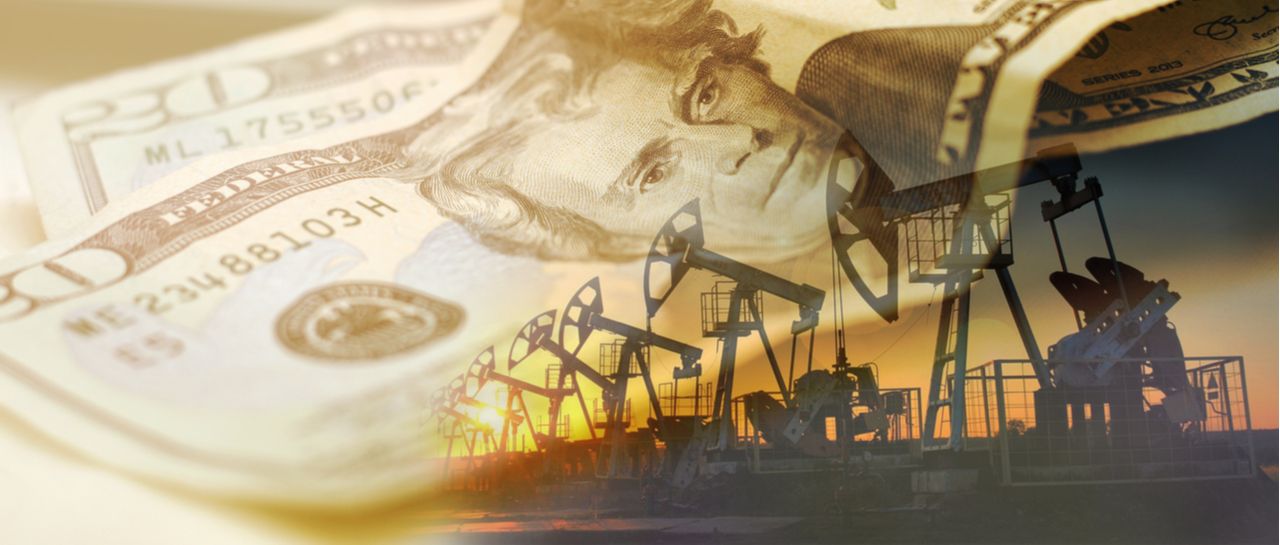
Petrodollars are the form of currency that is paid globally for oil. The petrodollar system is essentially the global practice of exchanging oil for US dollars, rather than any other currency. This means that no matter what country is buying the oil, they pay the oil-producing country in petrodollars, which are denominated in US dollars.
The answer to “What is the petrodollar?” has changed over the years, as the petrodollar system originally only applied to Middle Eastern countries and members of Organization of the Petroleum Exporting Countries (OPEC), but has been broadened over the years. Petro currency is the main source of revenue for these countries.
What is petrodollar recycling?
Because the petrodollar is denominated in US dollars, the system means that oil-producing countries end up with surpluses of US currency that need to be “recycled” back into the economy. Petrodollar recycling can involve channeling these dollars back into their own domestic economies, lending them to other countries or investing them in the US economy. Countries can use them to buy assets and securities like treasury bills, helping to keep interest rates and and allowing the countries to avoid currency conversion losses and risks.