

Dominate your competition
This article was inspired by research and case studies from Fanocracy: Turning Fans into Customers and Customers into Fans, the new book by David Meerman Scott and Reiko Scott.
We’re all trying to develop closer relationships with our customers so we can turn them into fans – loyal clients who will buy from us again and refer us to their peers. Tony frequently talks about the power of raving fans, and it’s something I’ve been studying for the past five years, together with my 26-year-old daughter Reiko.
In particular, we wanted to learn about the neuroscience of fandom. What’s going on in our brains when we become a fan of a product, service, idea, or person? It turns out we humans are hard-wired to build strong emotional connections to people who are part of our tribe. This goes back to ancient times – if someone approached our cave, we needed to know if they are a friend (part of our tribe) or an enemy (and we need to fight or flee).
These ideas are important when we are physically close to people. The closer we get, the more powerful the human emotions. As entrepreneurs we can build proximity to people into our businesses to grow fans.
But what if you can’t get in close physical proximity? What if you have clients all over the world or you run a virtual business?
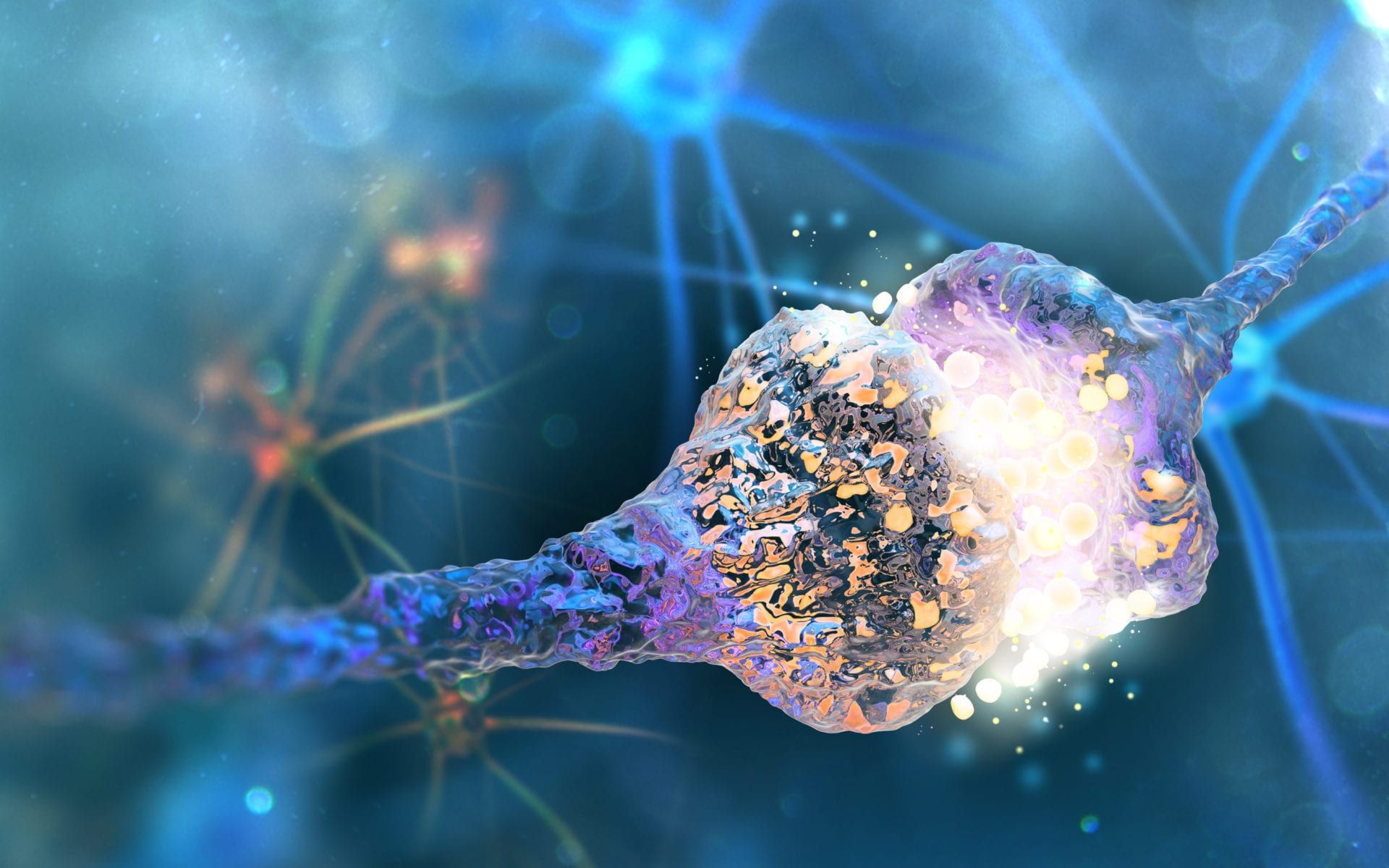
The good news is you, too, can get close to your customers, using another concept of neuroscience called mirror neurons. Mirror neurons are a group of cells in the premotor cortex and inferior parietal cortex of our brain. These neurons are fascinating because they not only activate when we perform an action – biting into an apple, smiling, or getting near to somebody we enjoy being with – they also fire when we observe somebody else performing the same action.
The power of mirror neurons in social media
We met with Marco Iacoboni, professor of psychiatry and biobehavioral sciences at the Ahmanson-Lovelace Brain Mapping Center at UCLA, who shared with us this fascinating concept: