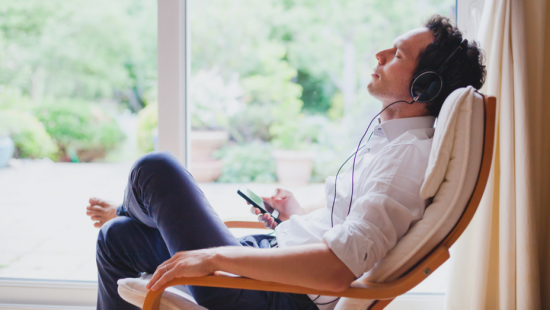


We overheard a couple of high school students complaining about how stressed out they were. And sure, we get it — exams, SATs, sports — there’s a lot of pressure on kids. But isn’t it worrisome that stress is such a big factor at such a young age?
Tony's book LIFE FORCE will transform your healthspan with breakthrough precision medicine
Read bookA little bit of stress can be a good thing. It can light a fire under you and give you that extra push you may need. It can create the sense of urgency you need to get tasks completed.
But too much stress can have some serious effects on the body and mind. In the short term, it can lead to issues with sleep, anxiety and feelings of overwhelm. Over long periods of time, stress can compromise the immune system, cause heart problems, exacerbate respiratory and gastrointestinal issues and lead to weight gain and depression.
These issues are not unfamiliar to American society. These struggles have helped to create an overmedicated culture. In fact, more than six in 10 Americans routinely take at least one prescription pill a day.
While some causes of pain or anxiety require medication, are we doing enough to meet these ailments at the source? What are we doing to combat stress? How are we being proactive about making relaxation part of our daily routine?
Some relaxation techniques have been shown to significantly reduce stress symptoms as well as provide a number of other health benefits — lowering blood pressure, slowing your heart rate, reducing the activity of stress hormones, increasing circulation, reducing muscle tension, improving cognitive function, enhancing your mood, lowering fatigue, reducing anger and frustration and even boosting your confidence.
You may be familiar with a few of the more common relaxation techniques: mindful meditation, yoga, tai chi or even visualization. But there is one technology that is revolutionizing the way we approach relaxation — making it easier than ever to soothe your entire and body. It’s called NuCalm.