
Whether your're looking for more vitality or better energy and focus in mid-life, you'll reach your health goals with LIFEFORCE
Buy nowThe health-conscious revolution is here, and while you might have noticed yoga studios popping up in your town or daily meditation groups at the office, there’s another trend that’s flying under the radar: Americans are eating less meat. Nearly one in four cut back on meat in 2020, while plant-based food sales have grown 54% over the past three years to an all-time high of $7.4 billion.
Plant-based foods are the next big thing in the world of nutrition. But what is a plant-based diet? What foods can you eat? And how do they help your health?
What is a plant-based diet?
Whether your're looking for more vitality or better energy and focus in mid-life, you'll reach your health goals with LIFEFORCE
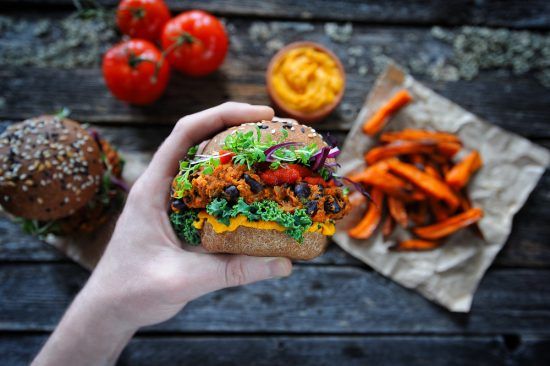
A plant-based diet, also called a plant-centered or plant-forward diet, focuses on foods that come from plants rather than animals. That means that your diet consists mostly of fruits and vegetables, legumes, beans, whole grains, nuts and seeds. Some people interpret the definition of a plant-based diet strictly, for example, vegans, who don’t eat any product that cores from animals, and vegetarians, who never eat animal protein.
You don’t have to cut out meat completely, especially if you’re considering a plant-based diet for beginners. If you eat mostly plant-based foods, you can also still occasionally eat eggs, dairy or meat. For example, pescatarians eat eggs, dairy and fish, but no other meat, while flexitarians may eat animal products once or twice a week, like meat with dinner or eggs with Sunday brunch. As a general rule, a diet made up of about 90%–100% plant-based foods fits the bill.