The gift of emotion
Mastering your emotions to live the life you deserveYour brain isn’t designed to make you happy. Surprised? Don’t be. The brain is designed to help you survive. It does that by constantly taking in what’s wrong – not keeping an eye out for what’s right. It reacts emotionally, not thoughtfully. It automatically assigns things negative meanings, before it even processes them. This is the nature of our two-million-year-old brain.
Our brains also want to be in control. When things don’t go our way – when the weather isn’t right or the traffic is bad or others don’t live up to our expectations – we get upset. Even though deep inside, we know how absurd it is to let things beyond our control dictate how we feel.
How can you take back control of your mind? Every successful person on the planet didn’t get there because their lives were perfect or because everything went their way all the time. Instead, they have learned to use the gift of emotion to their advantage: to discipline their disappointment, discipline their frustration and let go of the need to be in charge.
We can’t control everything but we can control the most important thing: what things mean to us. Meaning equals emotion, and emotion is one of the greatest gifts of life.
The gift of emotional control
As Tony once said, “Where we live emotionally is where we live.”
Everyone has an emotional home they come back to. It’s often worry, anxiety and searching for what’s wrong – not for what’s right. To truly master your emotions, you must change your emotional home to one of comfort, of gratitude and abundance, of faith and grace. When you begin to return to a positive emotional home, your whole life changes.
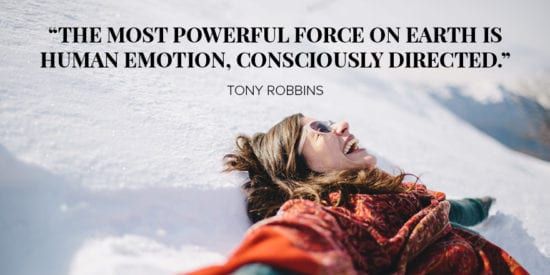
Emotion is a powerful force. It creates our worldview and is behind the bulk of our creations. When properly channeled, it can drive you to accomplish wonderful things. Left alone, it can tell you stories that drag you down.
The only way to live an extraordinary and fulfilling life is through mastering your emotions. That doesn’t mean you don’t feel things – it means you feel things but you’re also aware of why you feel them, and can observe them from a distance, if necessary. You’re aware that mastering your emotions isn’t about controlling how you feel; it’s about controlling how you react to any given feeling. That means controlling the meaning you assign to things.
Master your emotions to master your reactions
Human beings are wired to seek out problems in everything – it’s how our ancestors decided whether they would run away or put up a fight, and we haven’t yet figured out how to remove that trait from the modern brain.