Michael Phelps’ peak performance
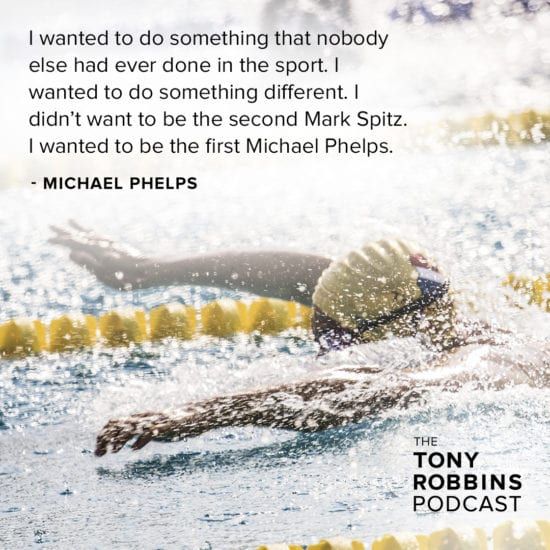
The triumphs and setbacks of the greatest American swimmerHaving won 28 medals, Michael Phelps is the most decorated Olympian in history. He has trained and competed at the highest levels of elite swimming, has broken world records and forged an unrivaled career. After he announced his retirement in 2012, he made a valiant comeback in 2016 at the Rio de Janeiro Olympics, where he won five more gold medals to bring him up to a remarkable 23 first-place finishes.
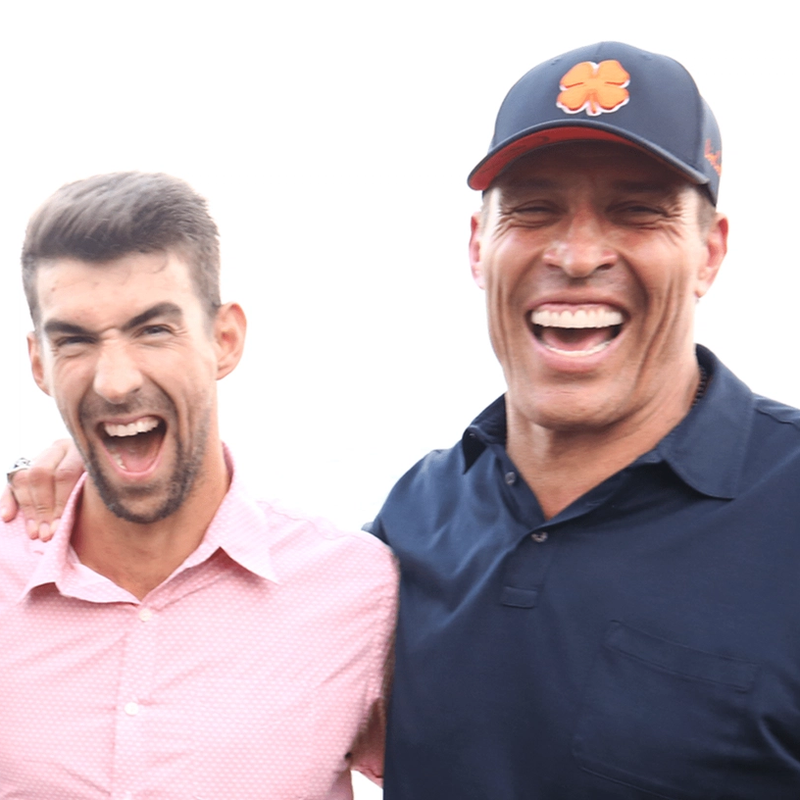
In this Peak Performance podcast, you’ll hear from this legendary athlete as he and Tony have a one-on-one interview at Tony’s private home, as part of a small event held for his Platinum Partners. Michael will share with the group how he became the greatest American swimmer of all time – and the setbacks he faced along the way. You’ll also hear a little bit from snowboarder Shaun White, who was also there toward the end. (You can hear Shaun’s full interview right here on the podcast).
Origins of a great American swimmer
Michael trained and competed in the swimming pool for much of his life. Michael grew up seeing his sister compete at a high level, and her victories helped shape Michael’s desire to compete. His mom signed him up as a kid, but he really took to the sport at 11 years old, when he started swimming with his long-time coach, Bob Bowman.
We wouldn’t be talking about Michael Phelps’ medals – or Michael Phelps at all – without the support and belief of Bob. In many ways, Bob helped grow Michael into the Olympian he is today. When Michael turned 11, Bob told him, “You can make the Olympic team in four years.”
Michael, deeply aware of his sister’s success and wanting to emulate her and carve his own path in the pool, said to himself, “This is what I want. I want to be an Olympian.” He knew that his first decision was focus – and on the basis of his coach’s words, he dropped out of his other sports and focused entirely on swimming.
Michael made a decision. He decided he wanted to be a professional athlete. He decided he wanted to win at the Olympics – and he did. He made his Olympic debut at 15 years old, and he spent the next 16 years mastering the sport through hard work, determination and intense focus. That’s the power of committing fully to your goals.
The body and the mind
A good coach doesn’t just train your body. They also learn how your mind works so they can craft strategies that will help you reach your goals. For Michael, this meant an intense training regimen (10 workouts a week) and spending the bulk of the day in each other’s company.
Bob understood Michael’s natural competitiveness and drive to do better. After placing fifth in his first Olympics, Michael knew he wanted to do much, much better four years later. Where did that drive come from? As Tony says in the podcast, “Lots of people things in life, but not all people them.” The difference is in your mindset.